
Role
UI/UX Designer · Group Project
Deliverables
User Research, Interactive Prototyping, Usability Testing
Software
Figma, Illustrator, Perplexity, Codex
Timeline
May–August 2026
Connection, at the right moment
This project began with a course brief:
How might we help people stay connected when life gets busy?
Through background research and interviews, we explored how people at different life stages understand busyness, maintain relationships, and adjust their ways of connecting as daily life changes.
As the research developed, we focused on lightweight everyday interactions. Using iMessage as the design context, we explored how to help people respond, remember one another, and share moments at suitable times.
# Prototype Demo
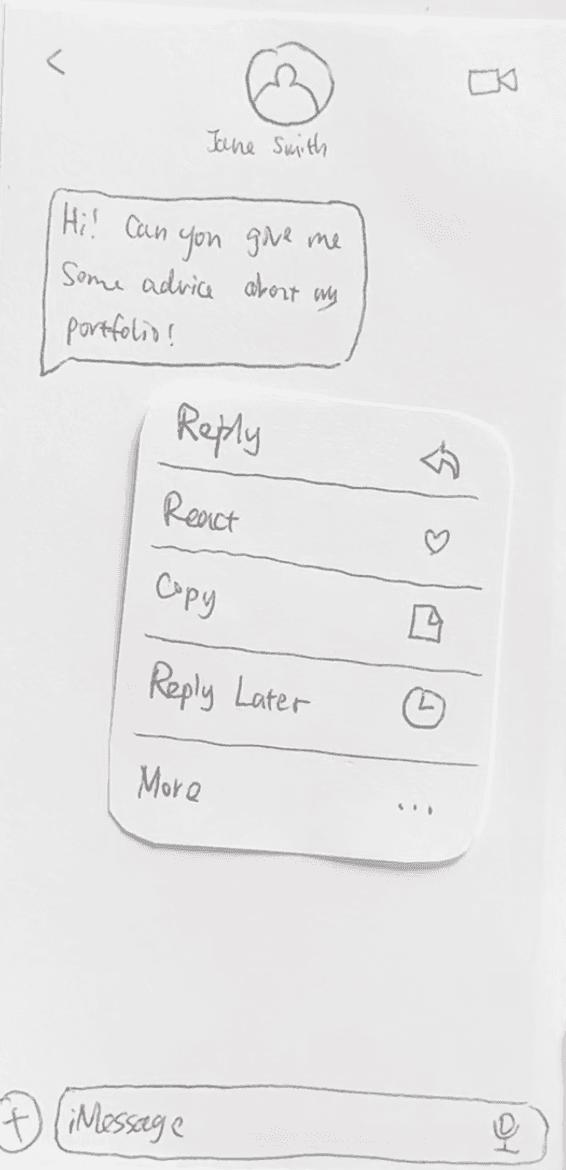
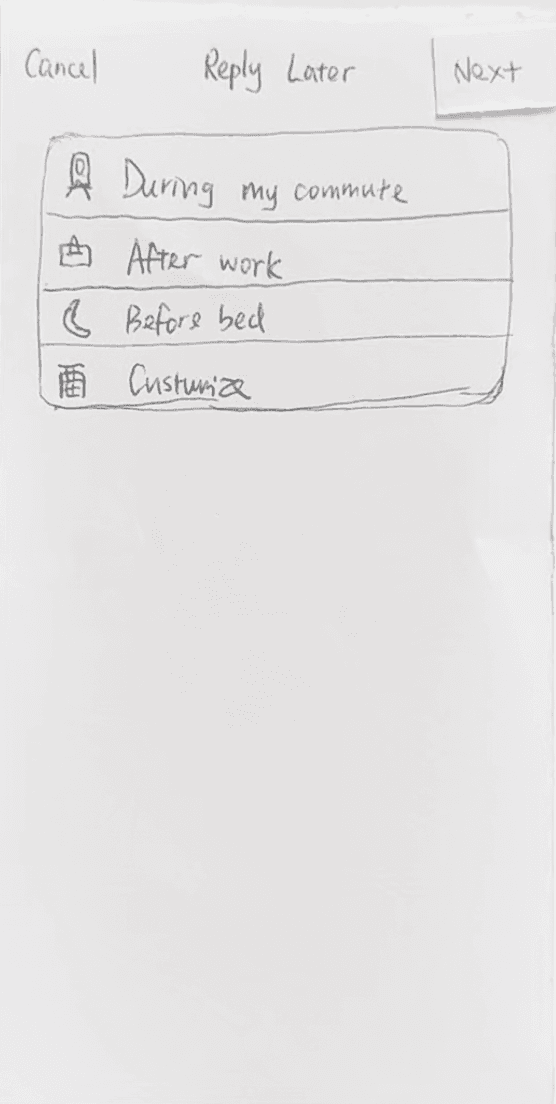
Reply Later Reminder
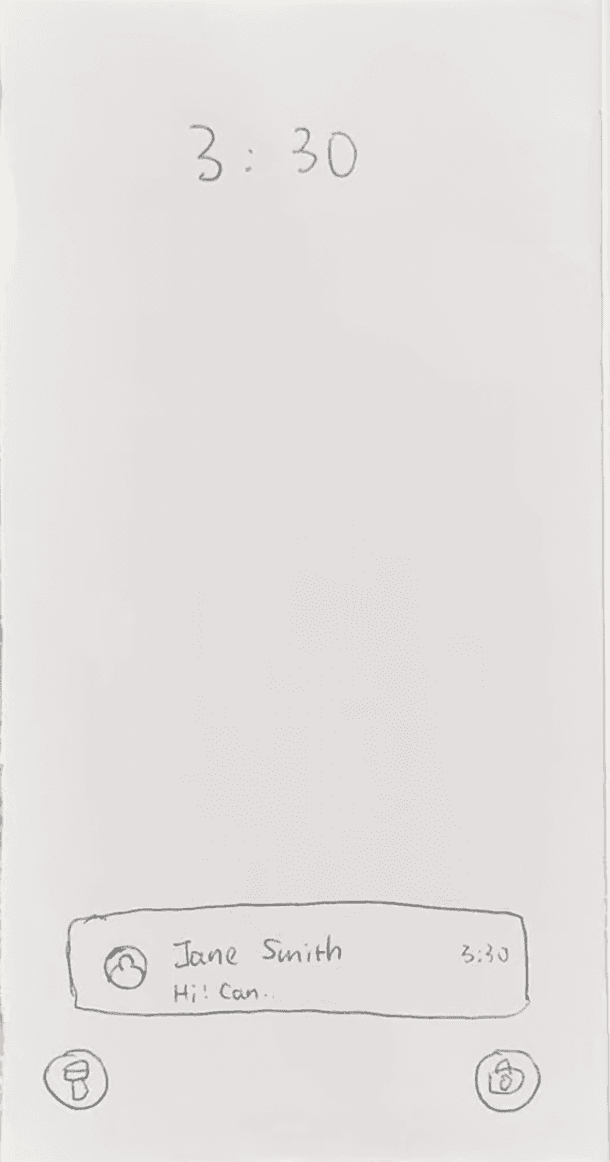
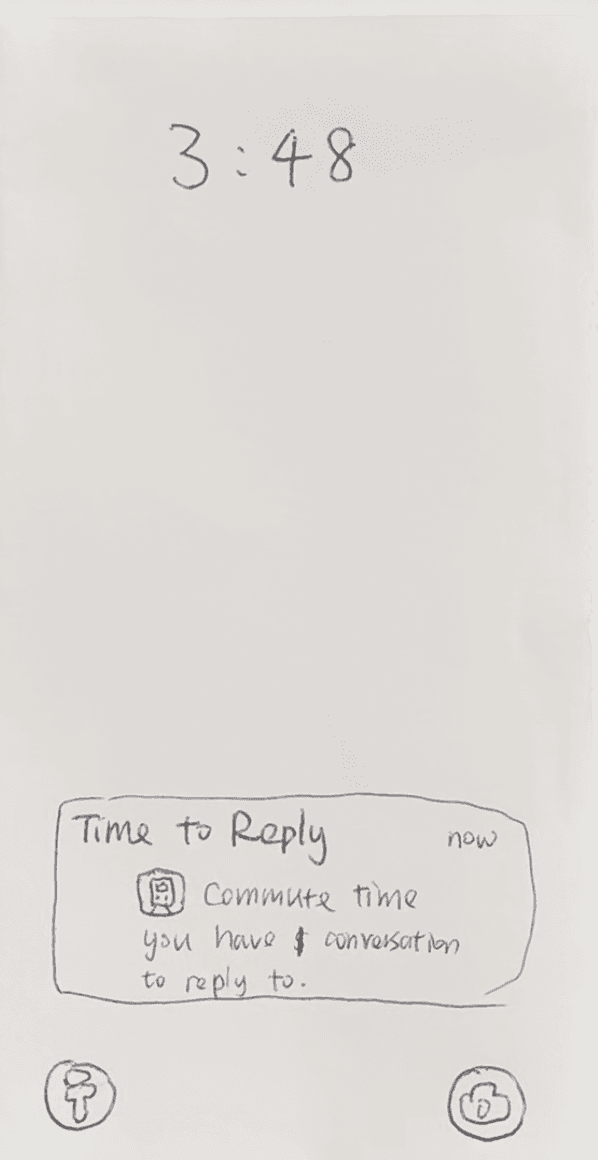
Set a reminder and return to the conversation when you have time to reply.
Important Moment Reminder
Prepare messages for important dates and schedule them to arrive at the right time.
Reconnect Reminder
Receive reminders based on relationship settings, with editable suggestions to restart a conversation.
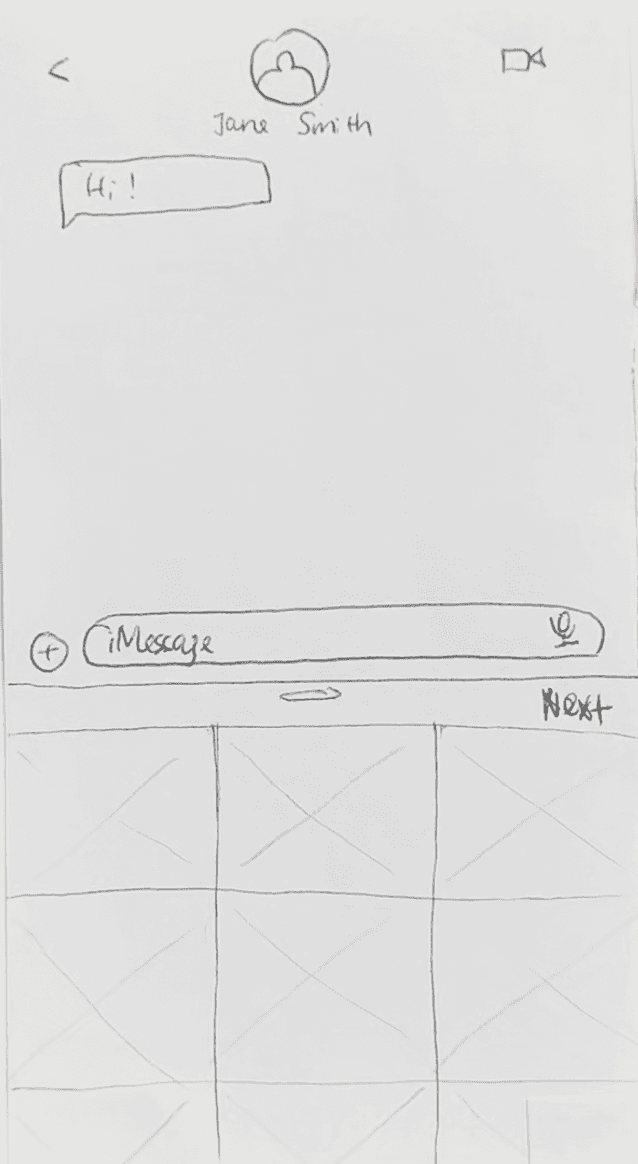
Quick Share
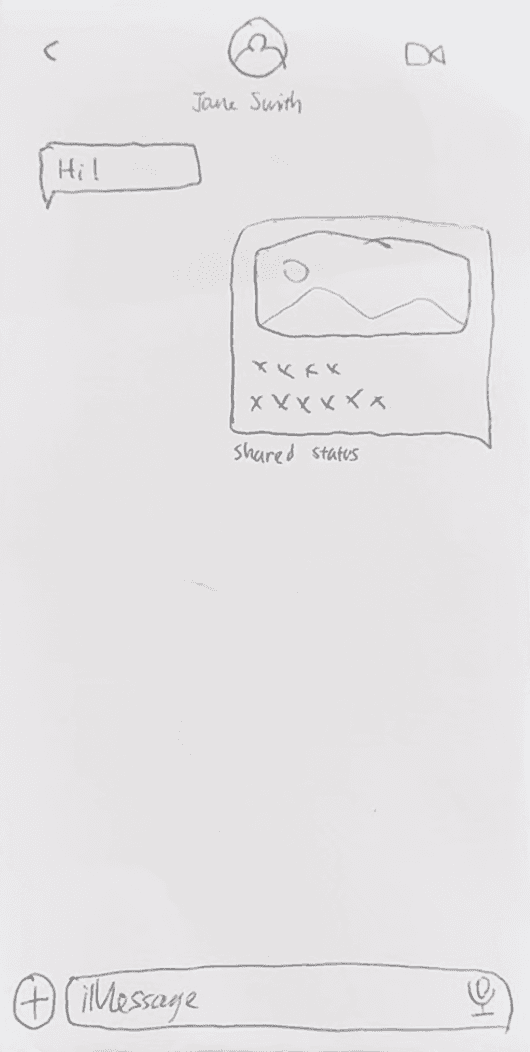
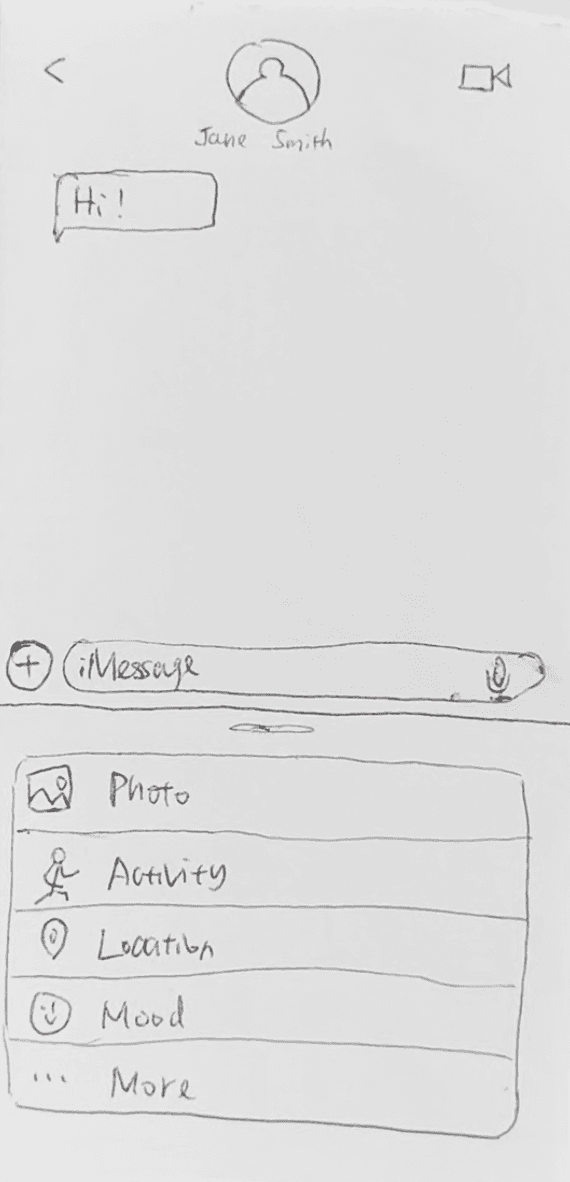
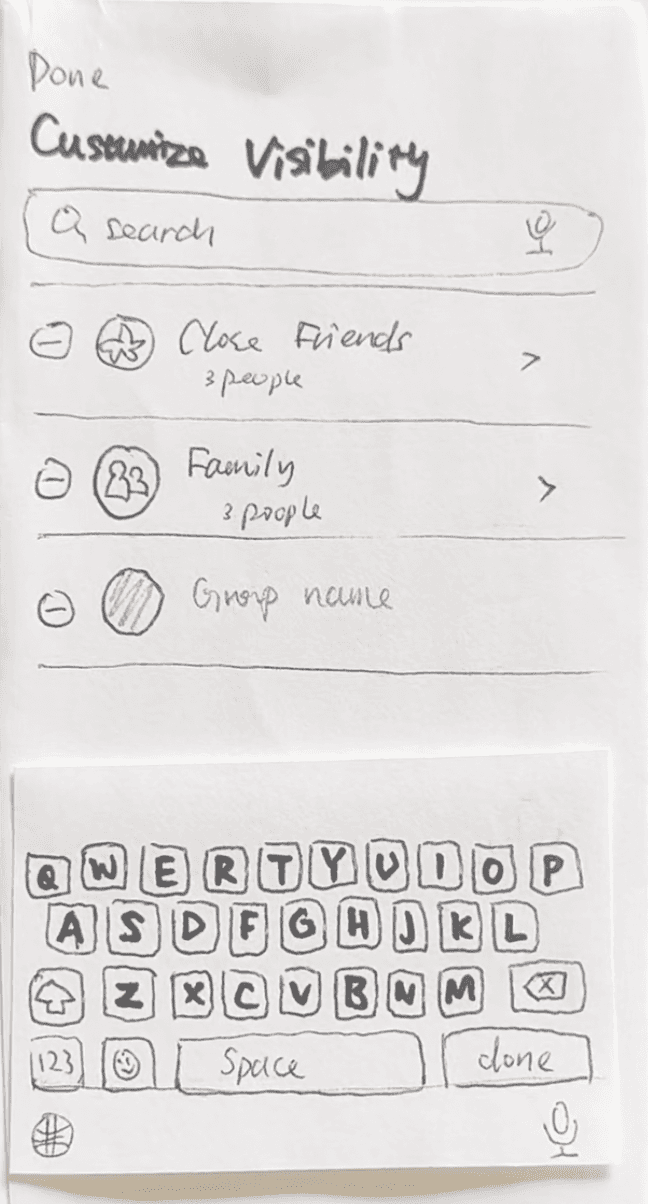
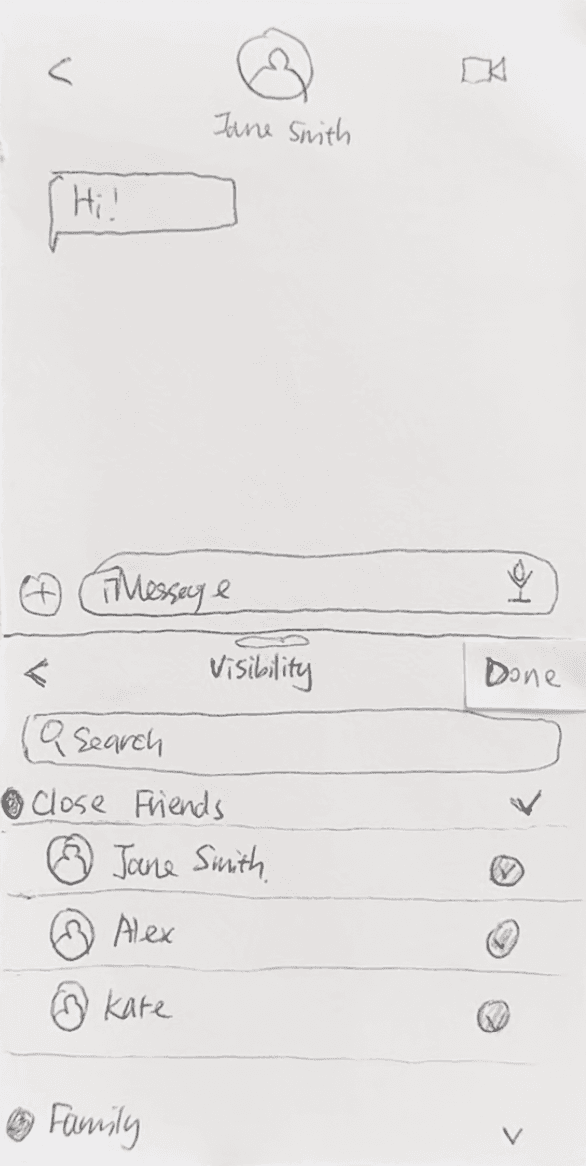
Share everyday moments privately with selected people, keeping in touch through lightweight interaction.
# Starting Point
How might we help people stay connected when life gets busy?
We began with two keywords, “Busy” and “Stay Connected”, to explore what busyness means and how people maintain relationships and feel connected.
62%
Identified being too busy or tired as a contributor to loneliness.
Harvard Making Caring Common · 2024
83%
Of U.S. teen social-media users said social media made them feel more connected to information about friends’ lives.
Pew Research Center · 2015 · Teen sample
90%
In the study’s first survey, reported losing touch with someone they still cared about.
SFU · 2024 · Supplemental research added for this case study
Our background research raised questions about how people experience busyness and connection in daily life.
We developed an interview guide and sought perspectives across life stages and roles, including people who organize social activities. We explored how they define busyness, what they value in relationships, and how they keep in touch as routines change.

Connection needs more than available time
• Life changes reshape the rhythm of connection.
• People value interactions that feel natural and supportive.
• Lightweight interactions can still communicate care.
Together, the background research and interviews helped us narrow the original brief into a more focused design question:
How might we create lightweight ways for people to maintain meaningful relationships that naturally fit into everyday life without adding extra effort?

# Solution
We explored ways to support everyday communication through reminders, opportunities to reconnect, and simple ways to share experiences.
However, a new platform would ask people to build new communication habits first. To fit into the routines they already had, we developed the concept as an update within iMessage.
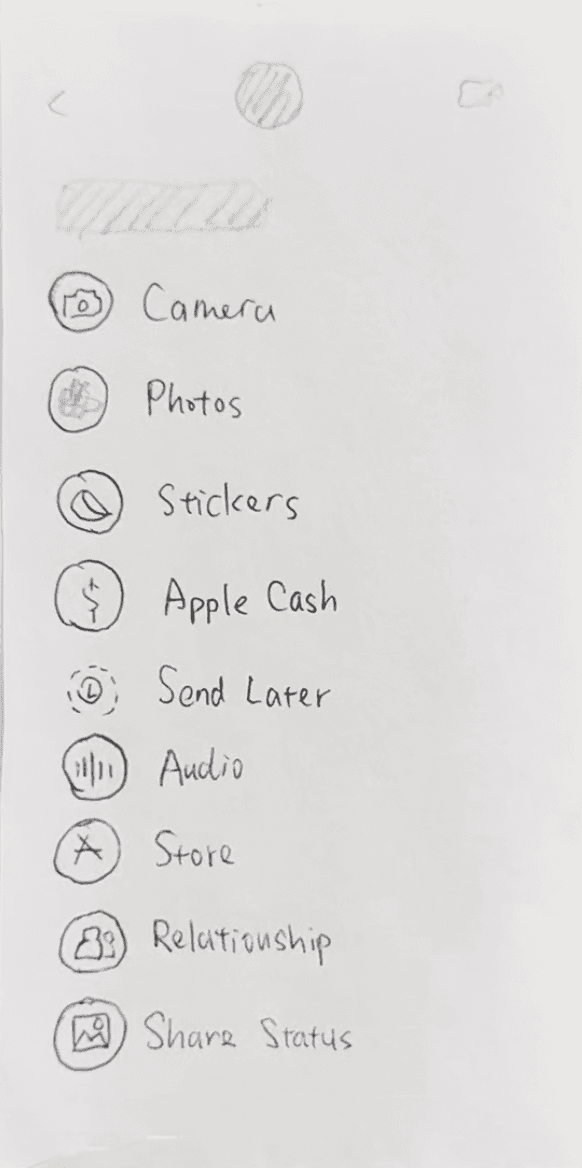
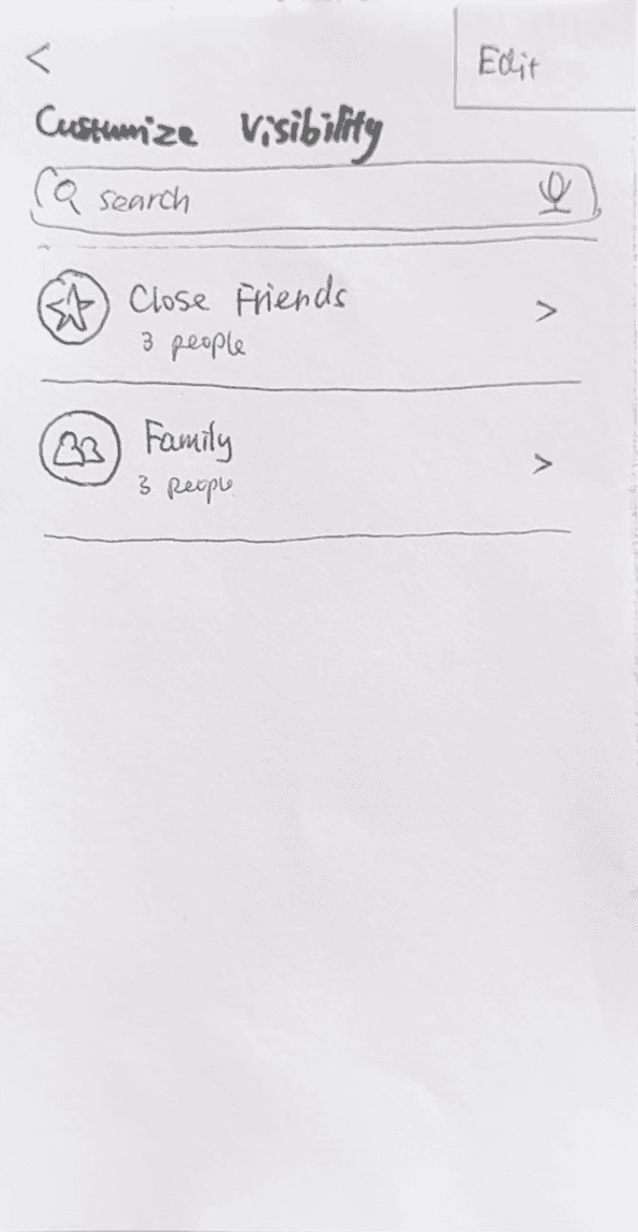
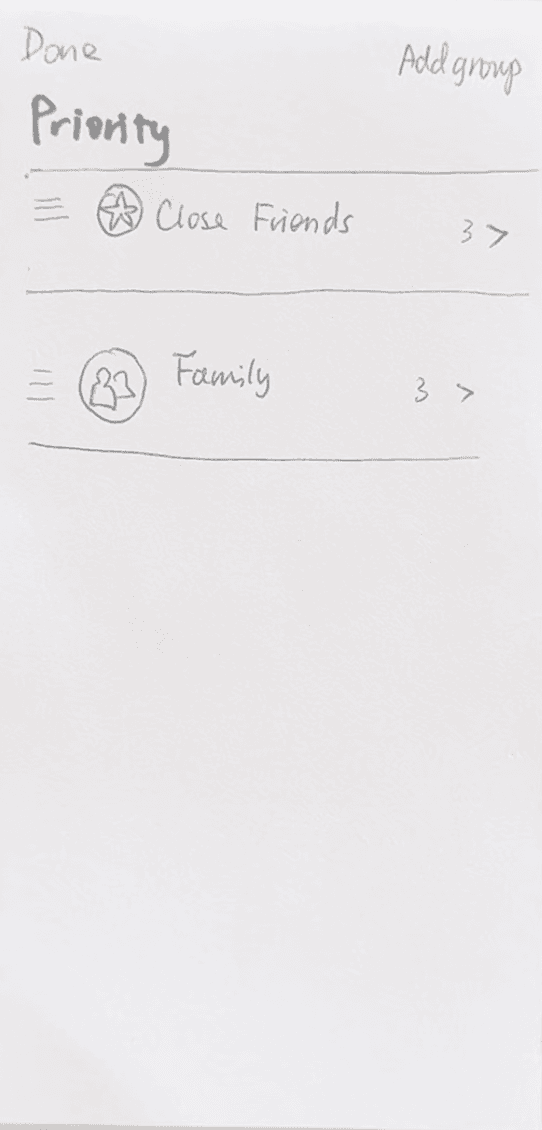
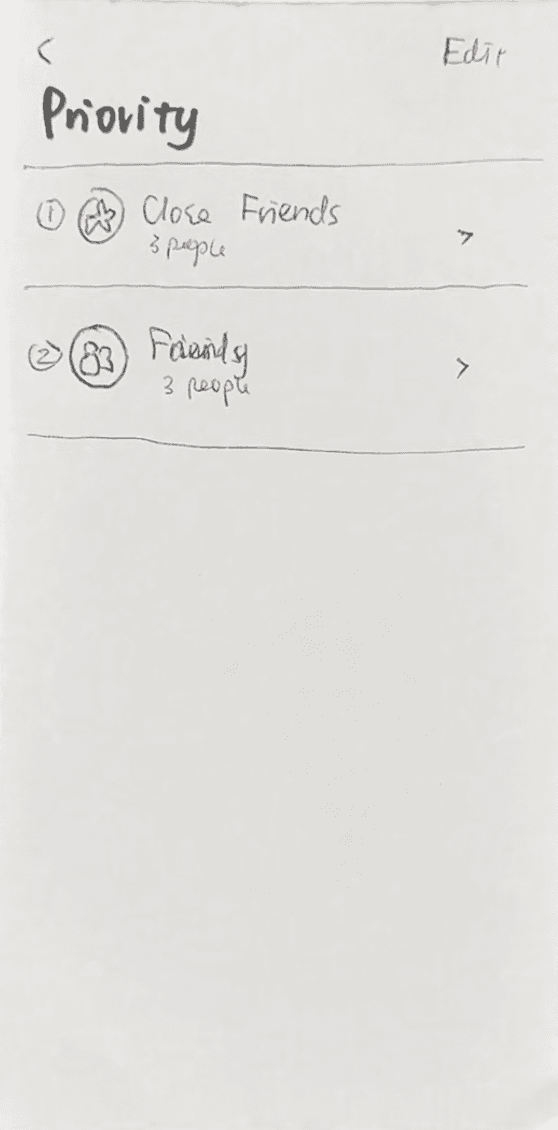
The concept brings together Reply Later Reminder, Important Moment Reminder, Reconnect Reminder, and Quick Share, supported by relationship settings that let users personalize how they stay in touch.
# Early Prototype
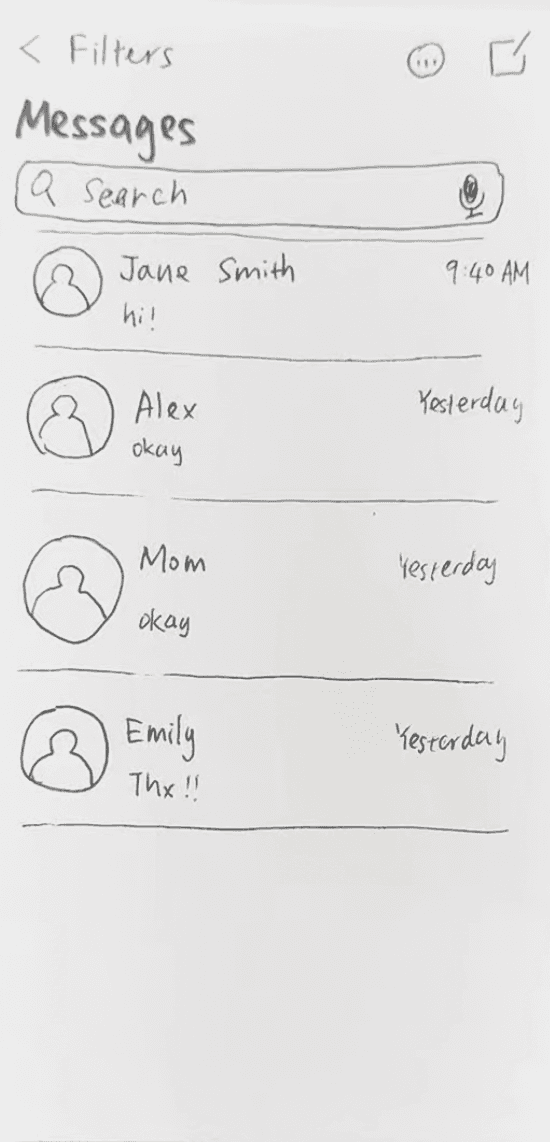
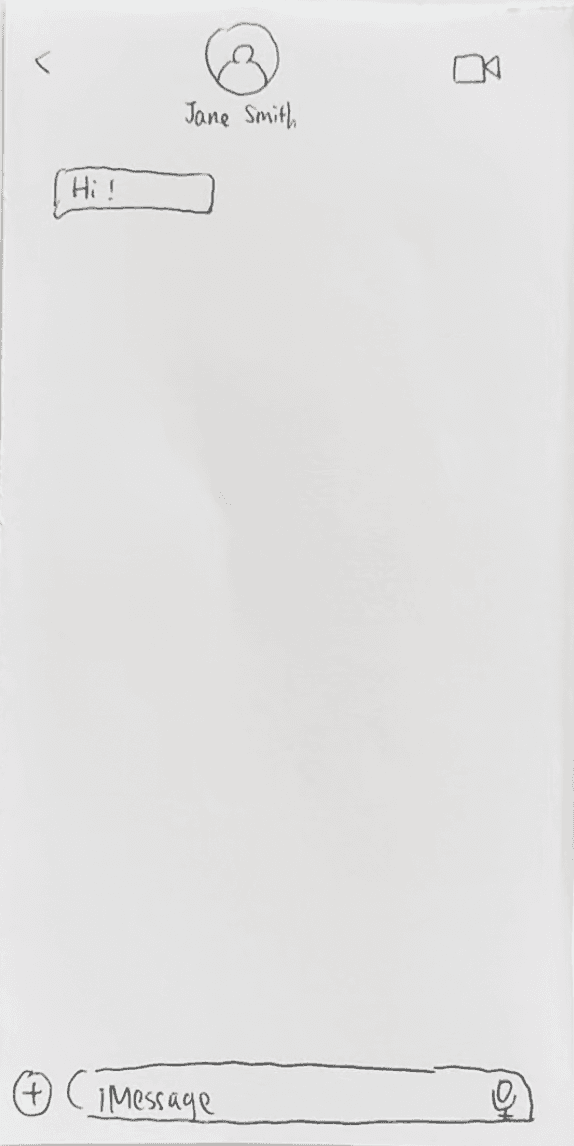
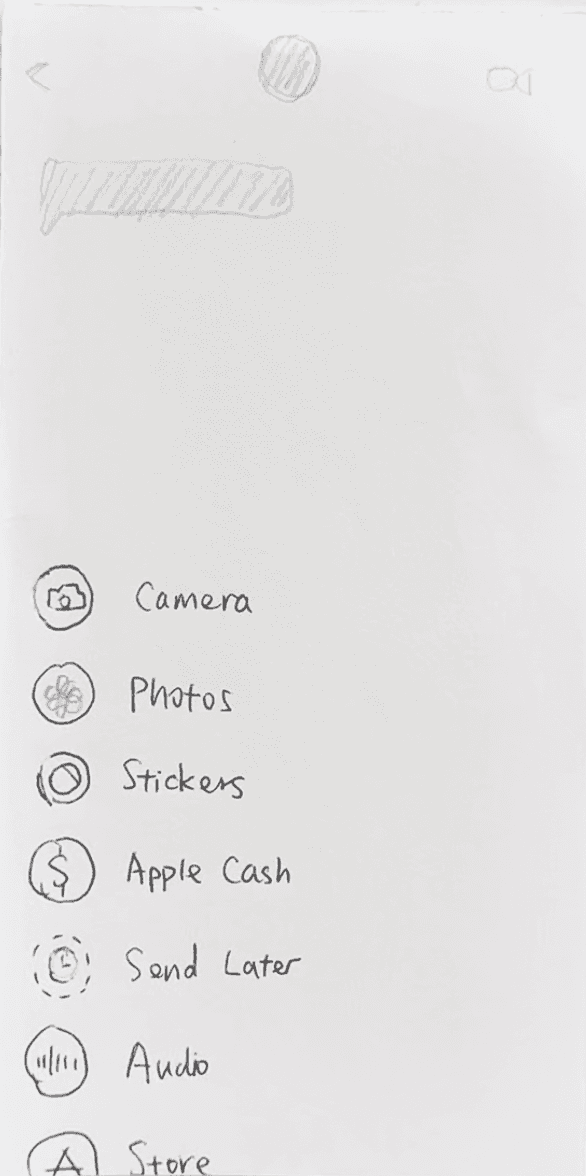
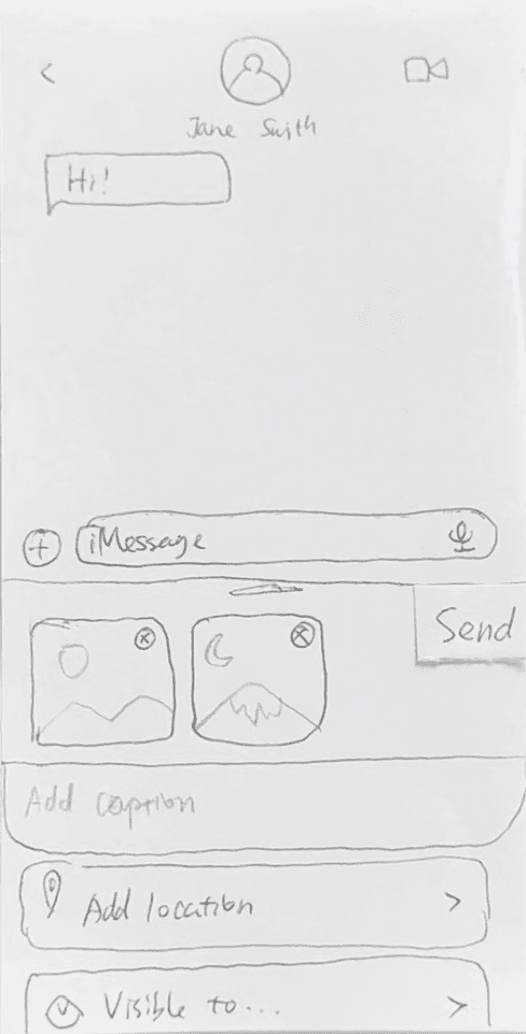
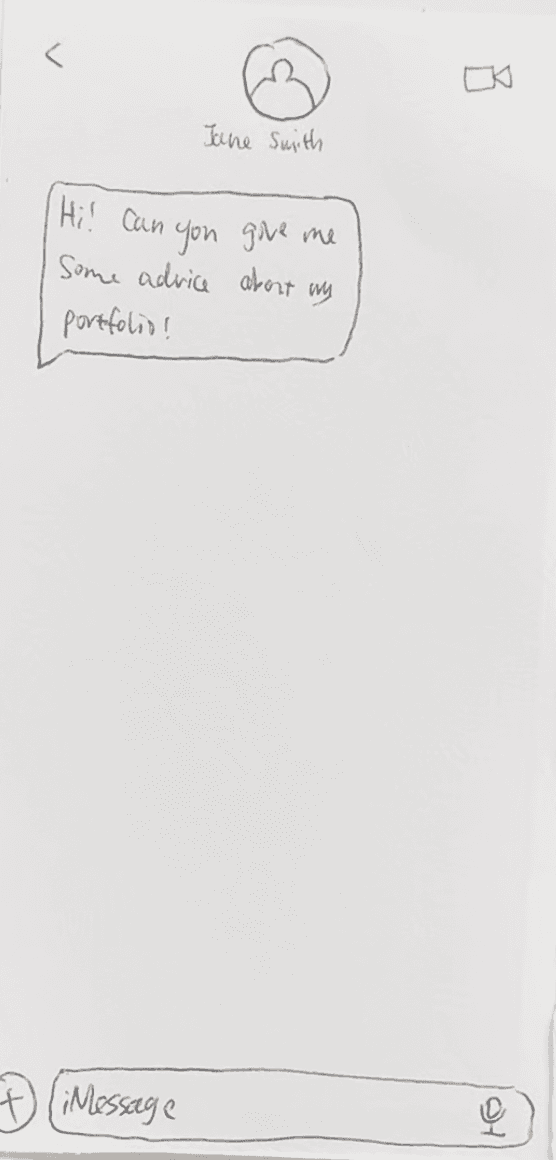
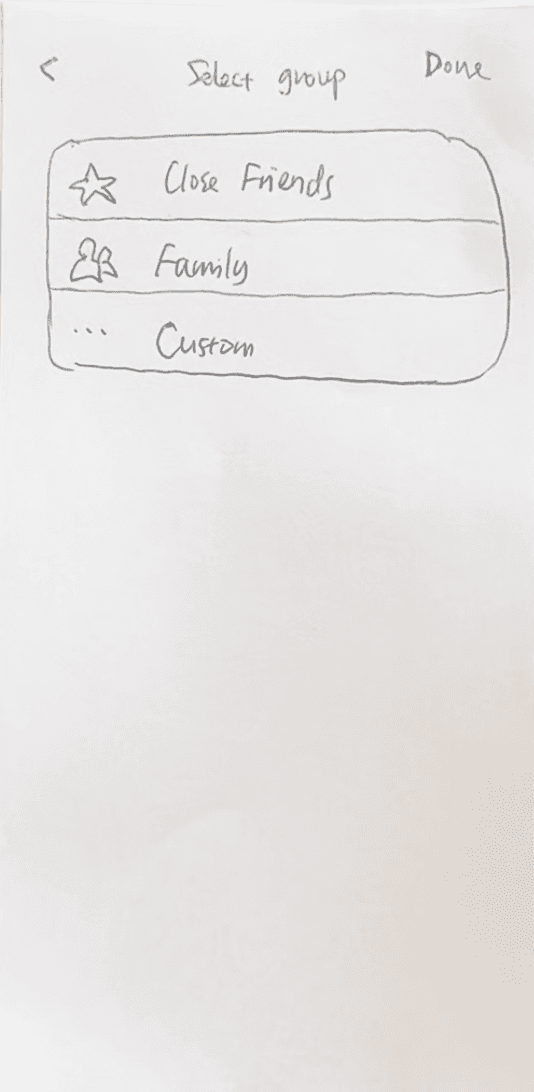
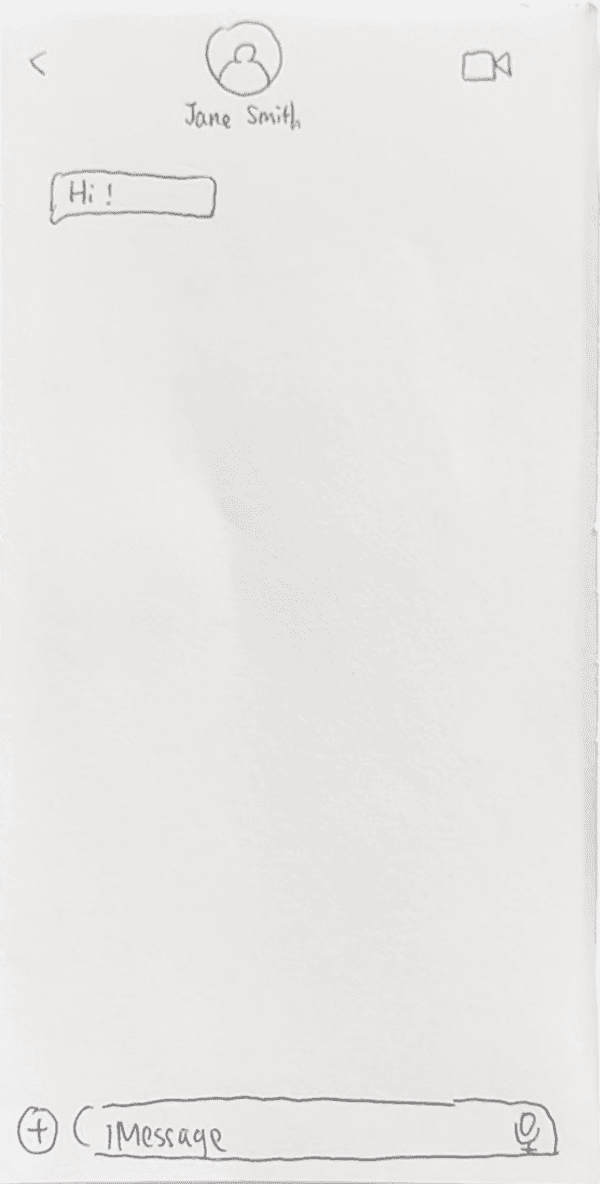
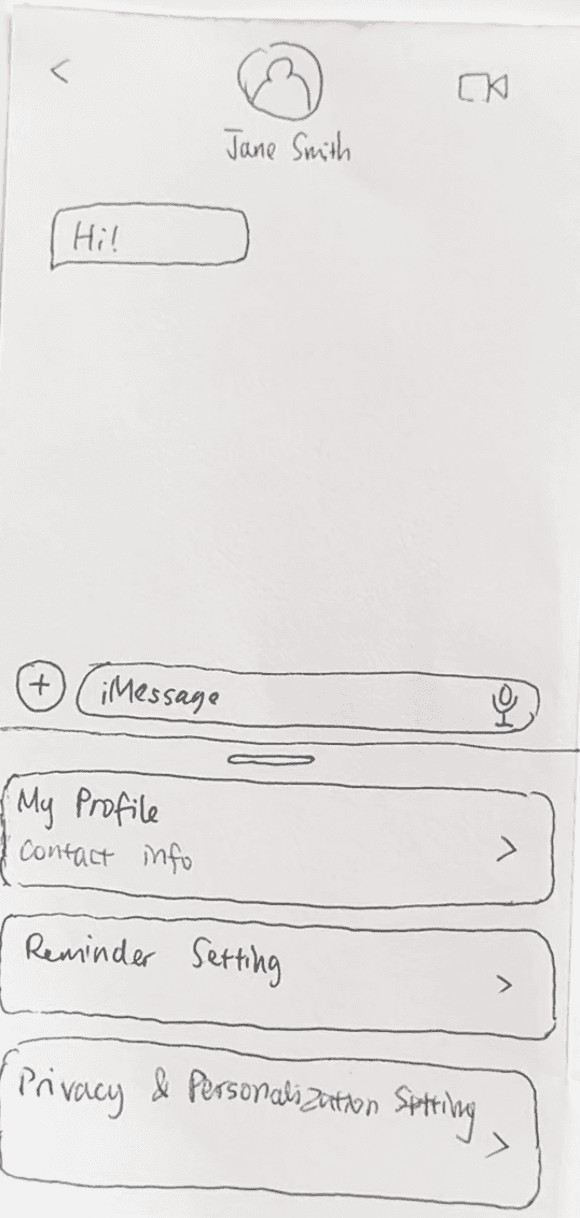
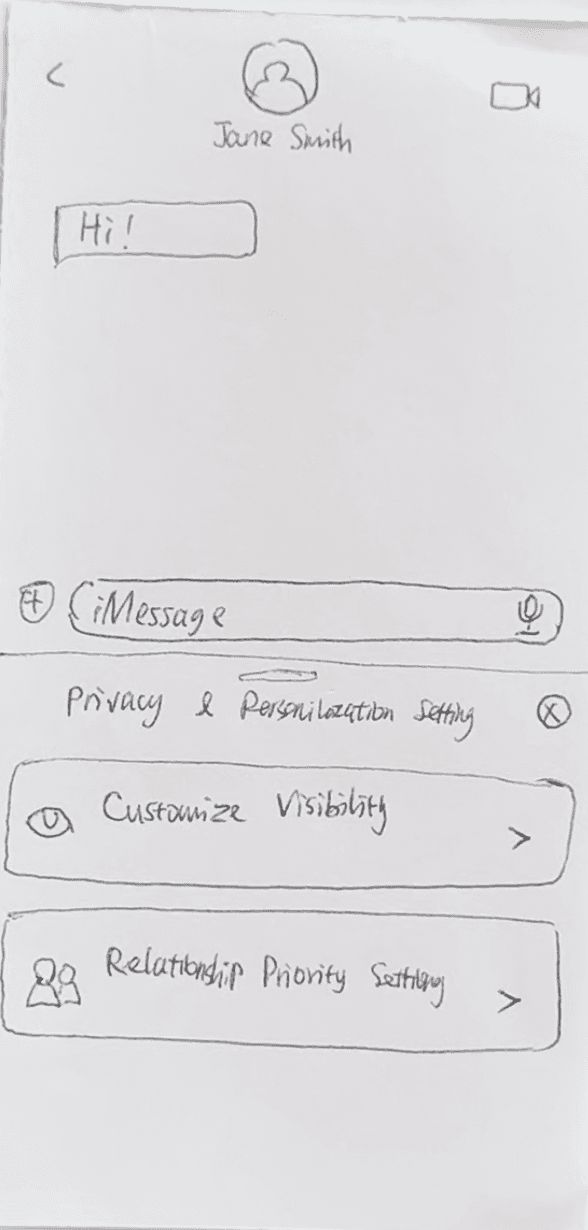
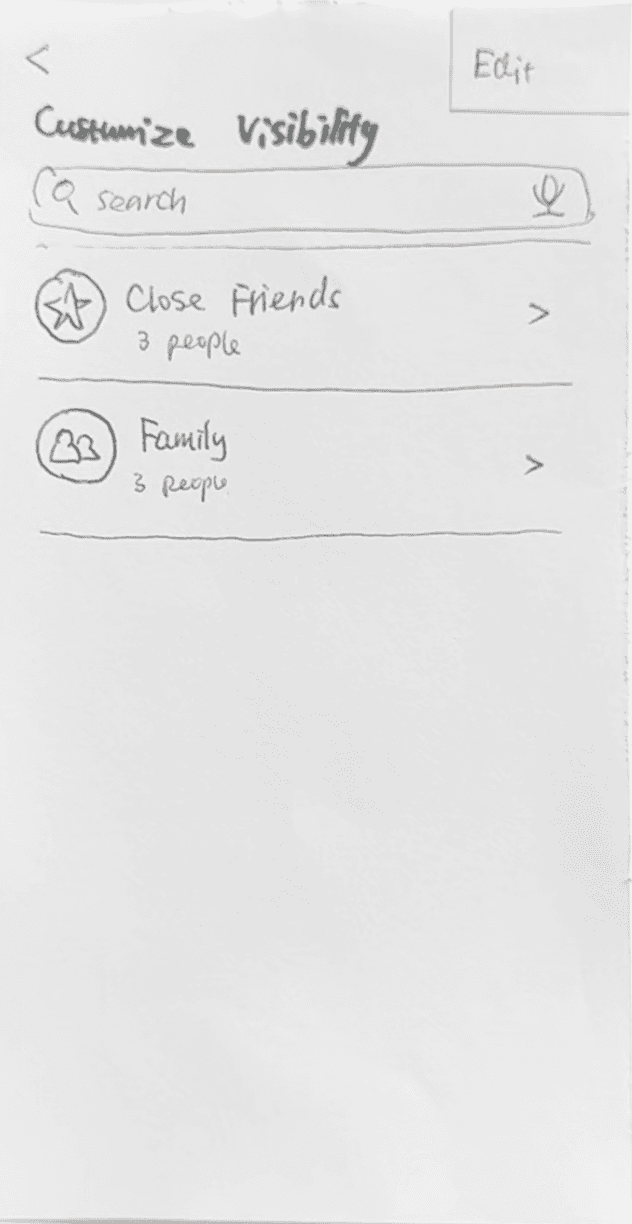
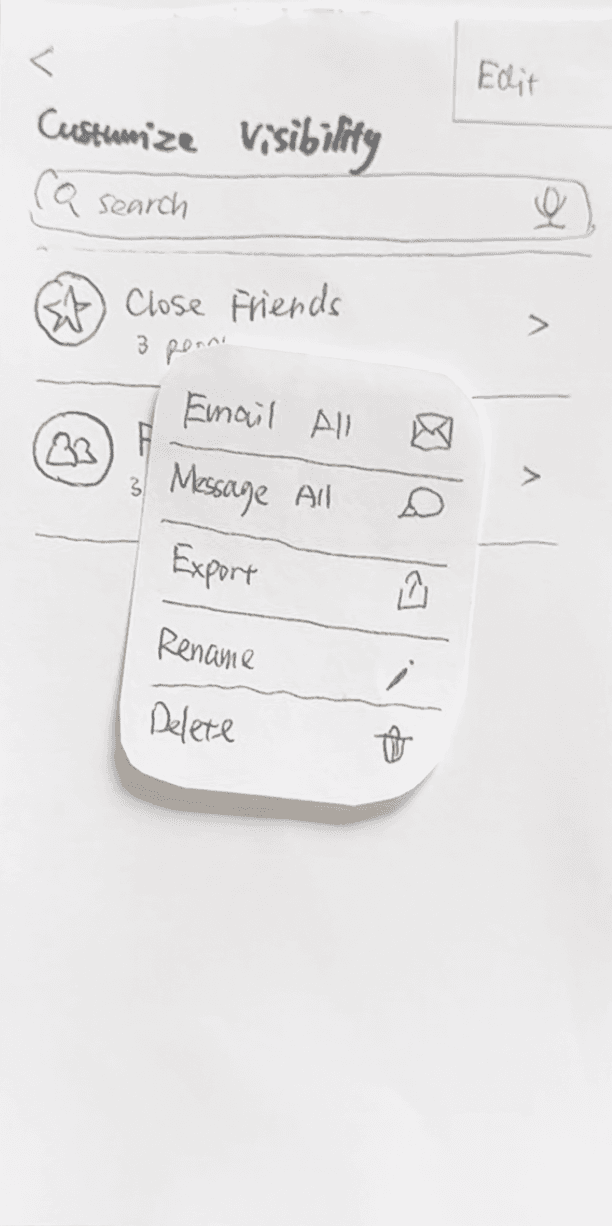
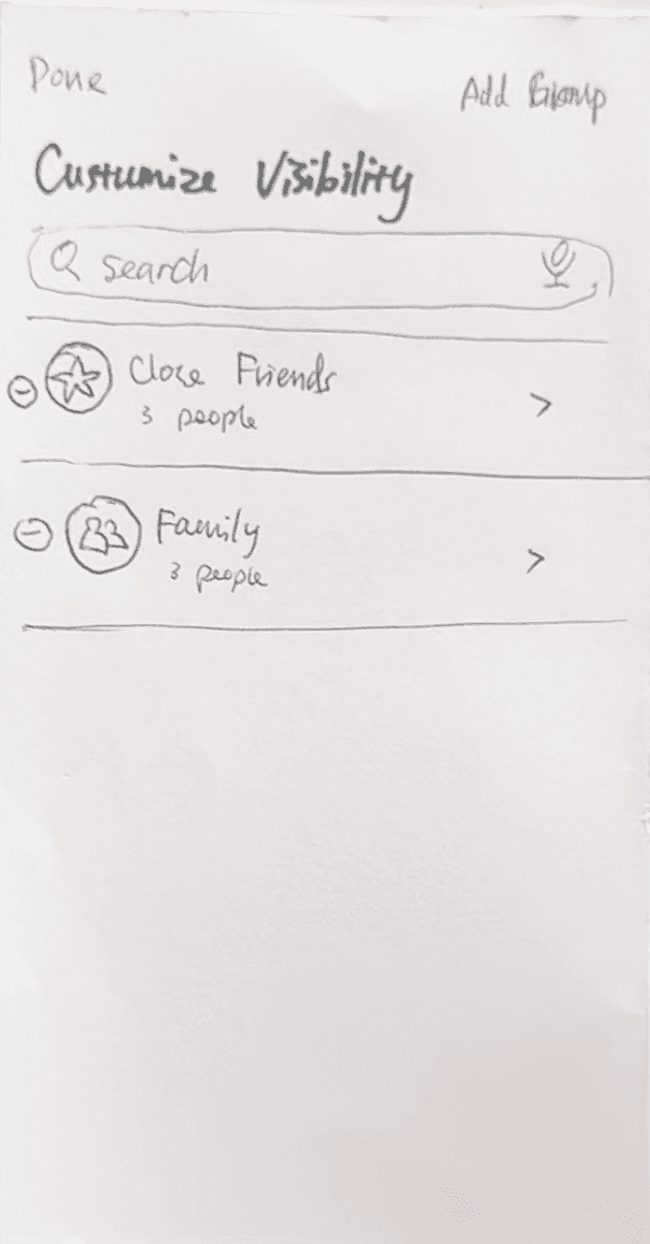
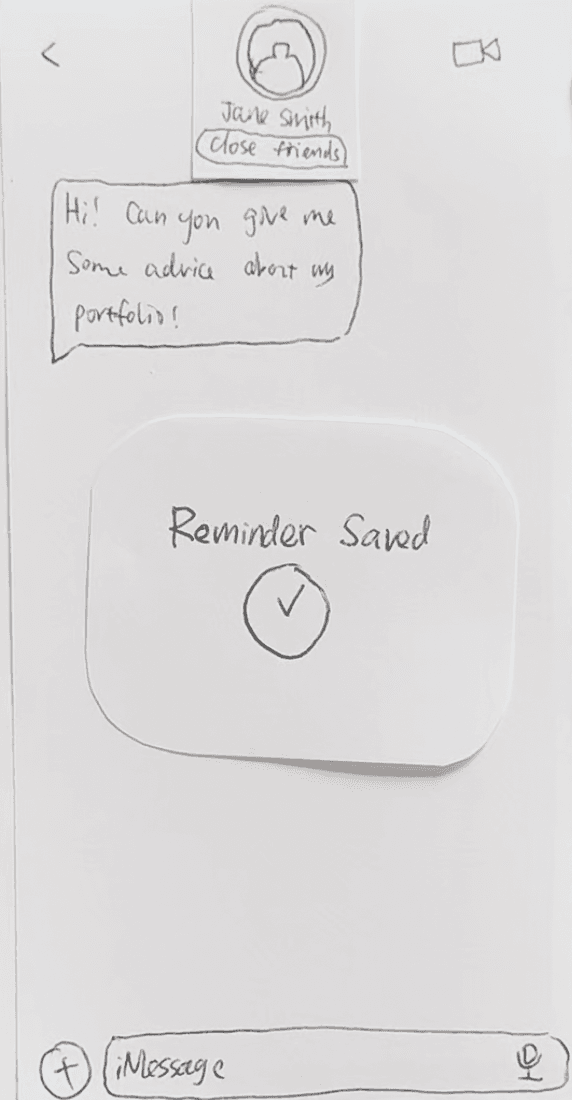
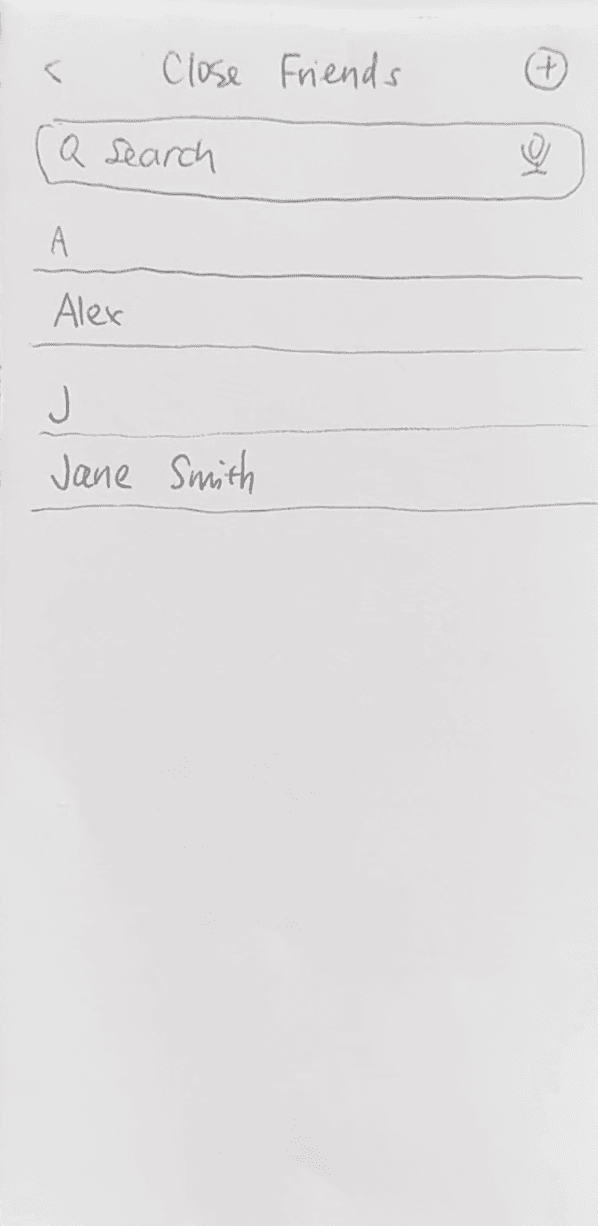
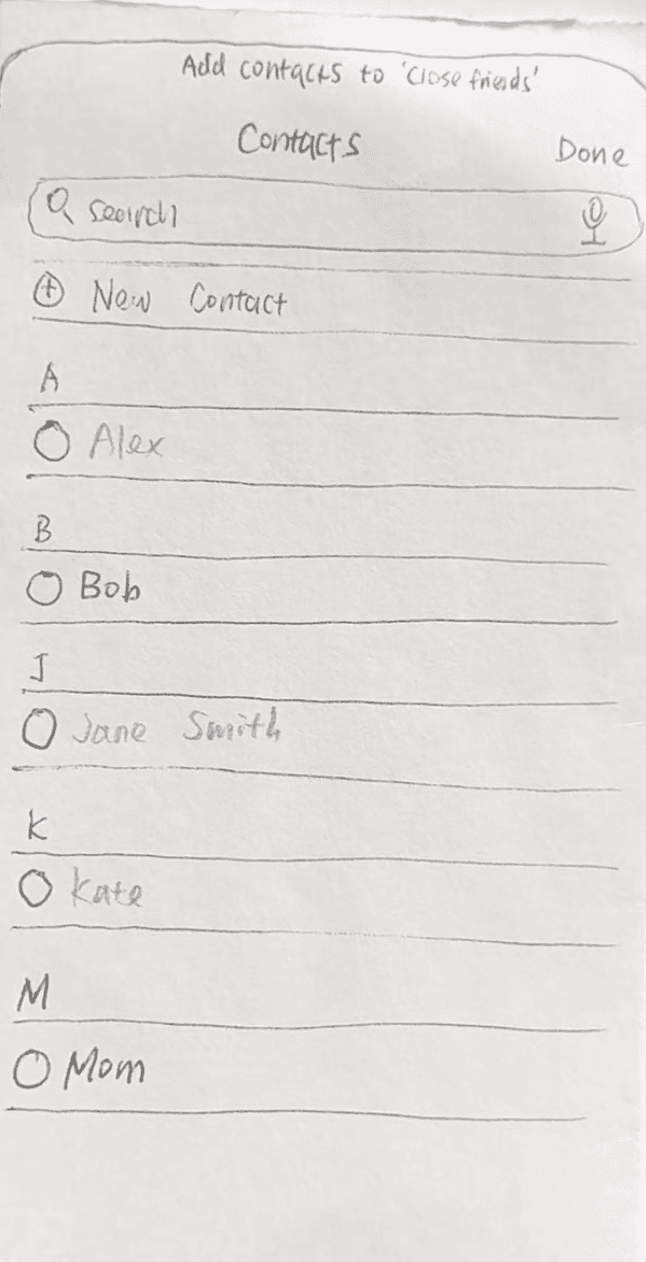
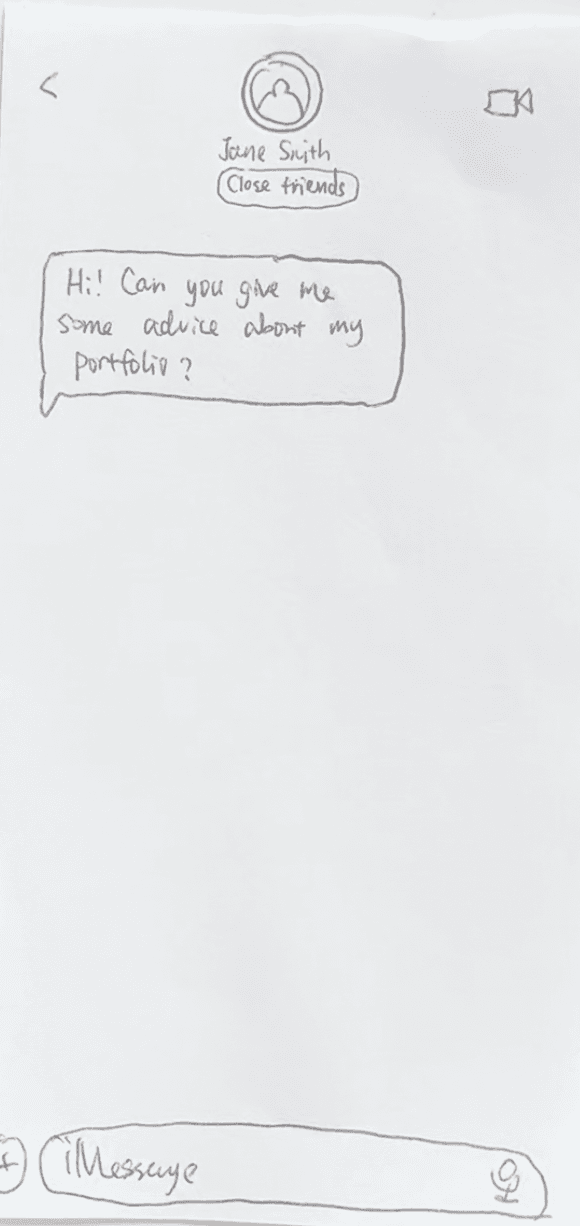
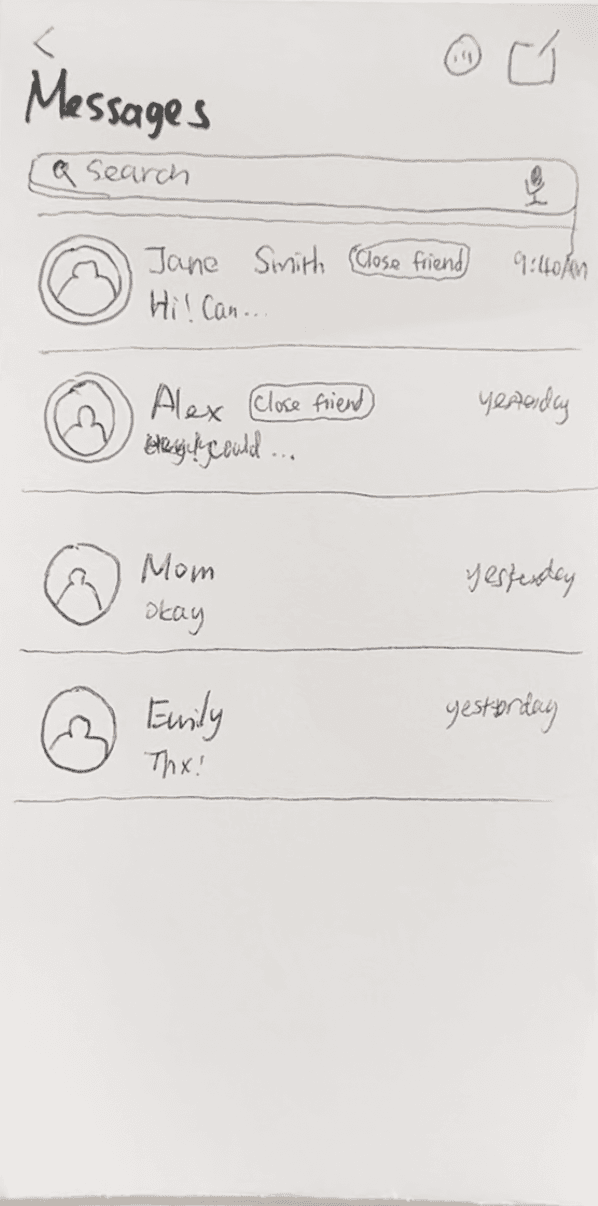
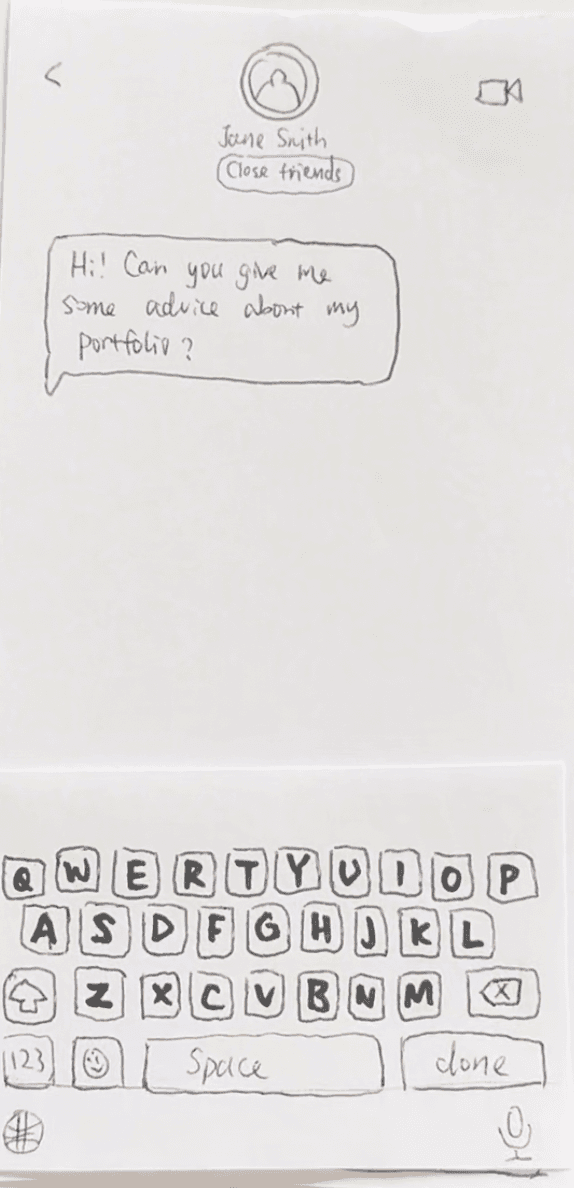
We used low-fidelity sketches to explore how the proposed features could fit into existing conversations and how people would move through each interaction.

# Usability Testing
We tested three tasks with three participants to understand how they set reminders, share content, and manage relationship settings. Their feedback helped us identify confusing steps and refine the interaction flows.
Test Observations
Design Responses
Task
Observation
Set a Reply Later reminder and return to the message
Reply Later and Relationship Priority felt like separate features. Combining them introduced extra steps and obscured the main task.
Share photos with a selected friend group
The swipe entry was hard to discover. Starting from an individual chat also made the sharing audience unclear.
Manage close friends in Relationship Priority
The relationship-settings entry did not match the expected contact-based flow.

# Reflection
This project shifted our focus from finding more time to designing smaller ways to stay connected. Rather than asking people to build new habits, we explored how moments of care could fit into conversations they already have.